Discover Nico's Pier 38
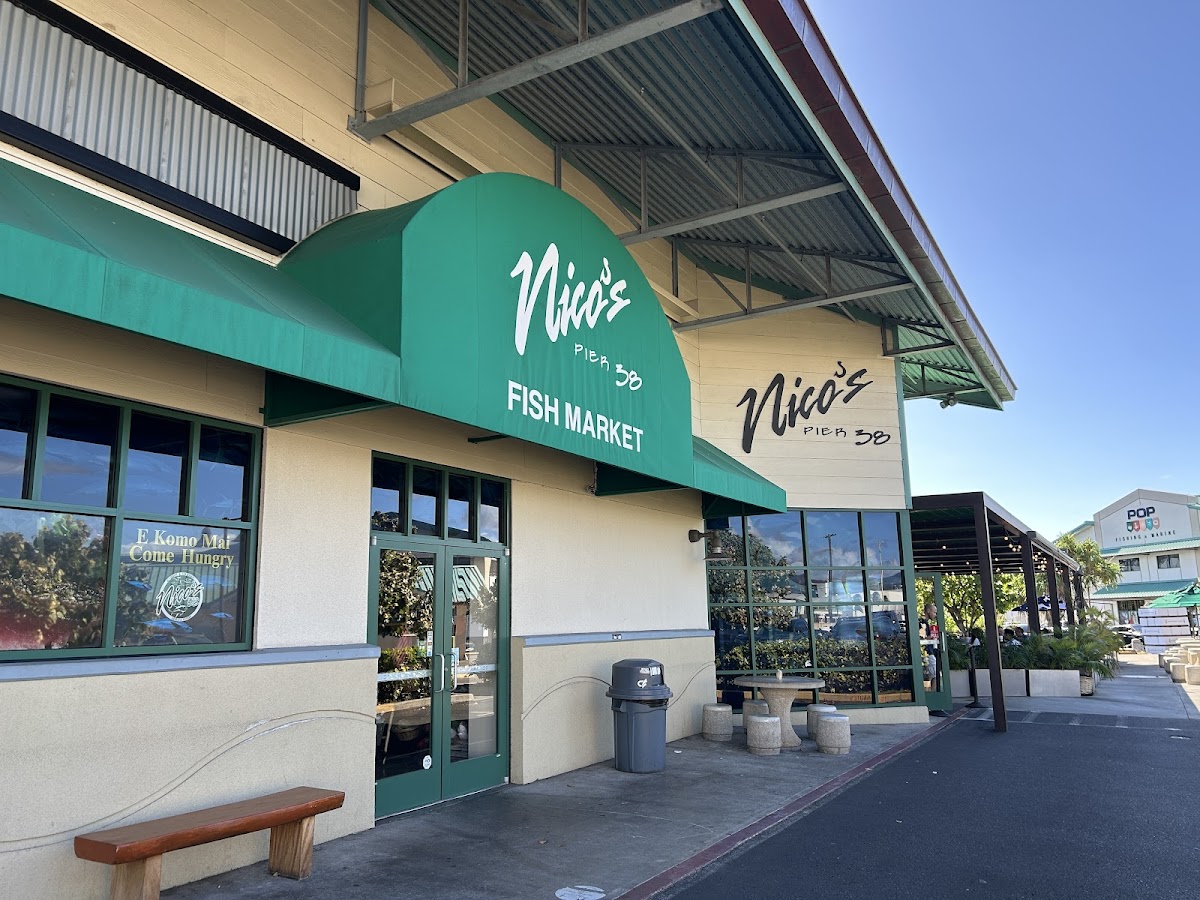
Walking into Nico's Pier 38 feels less like discovering a trendy hotspot and more like being let in on a local secret that Honolulu regulars have treasured for decades. Tucked along the working harbor at 1129 N Nimitz Hwy, Honolulu, HI 96817, United States, this place has a lived-in charm that immediately sets expectations: come hungry, eat well, and don’t overthink it.
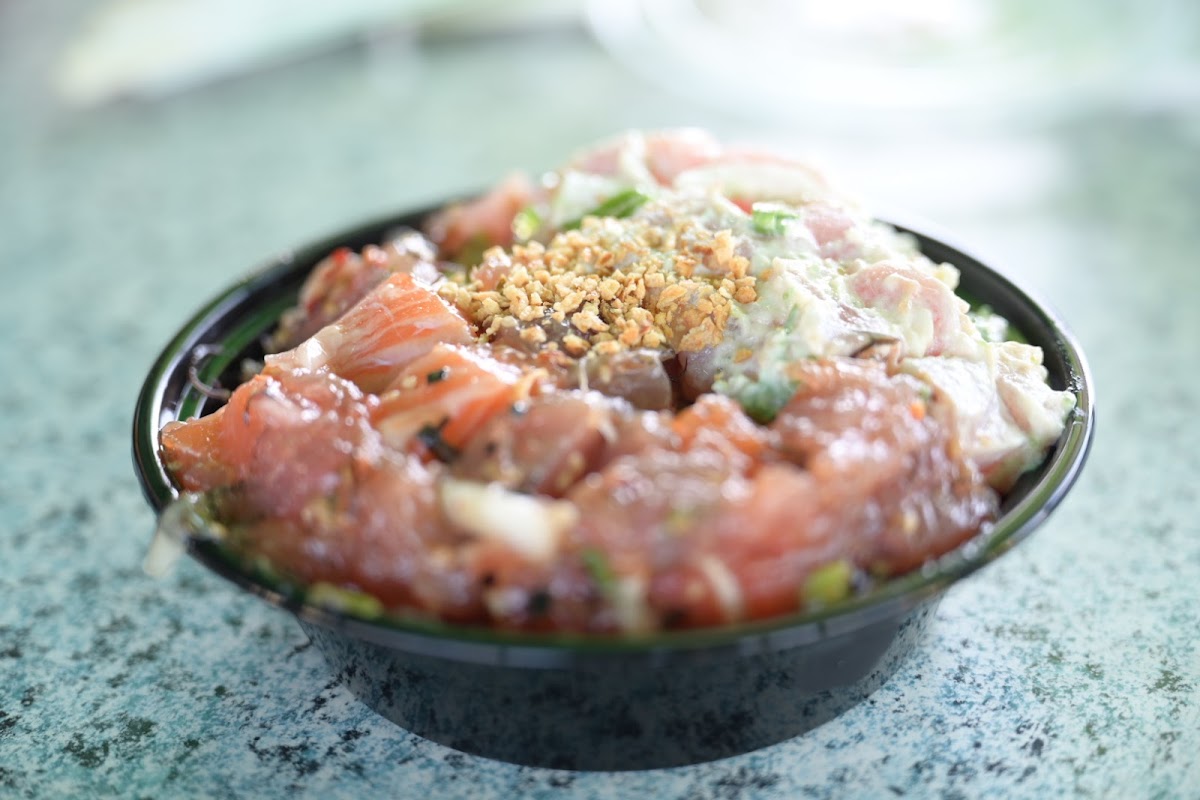
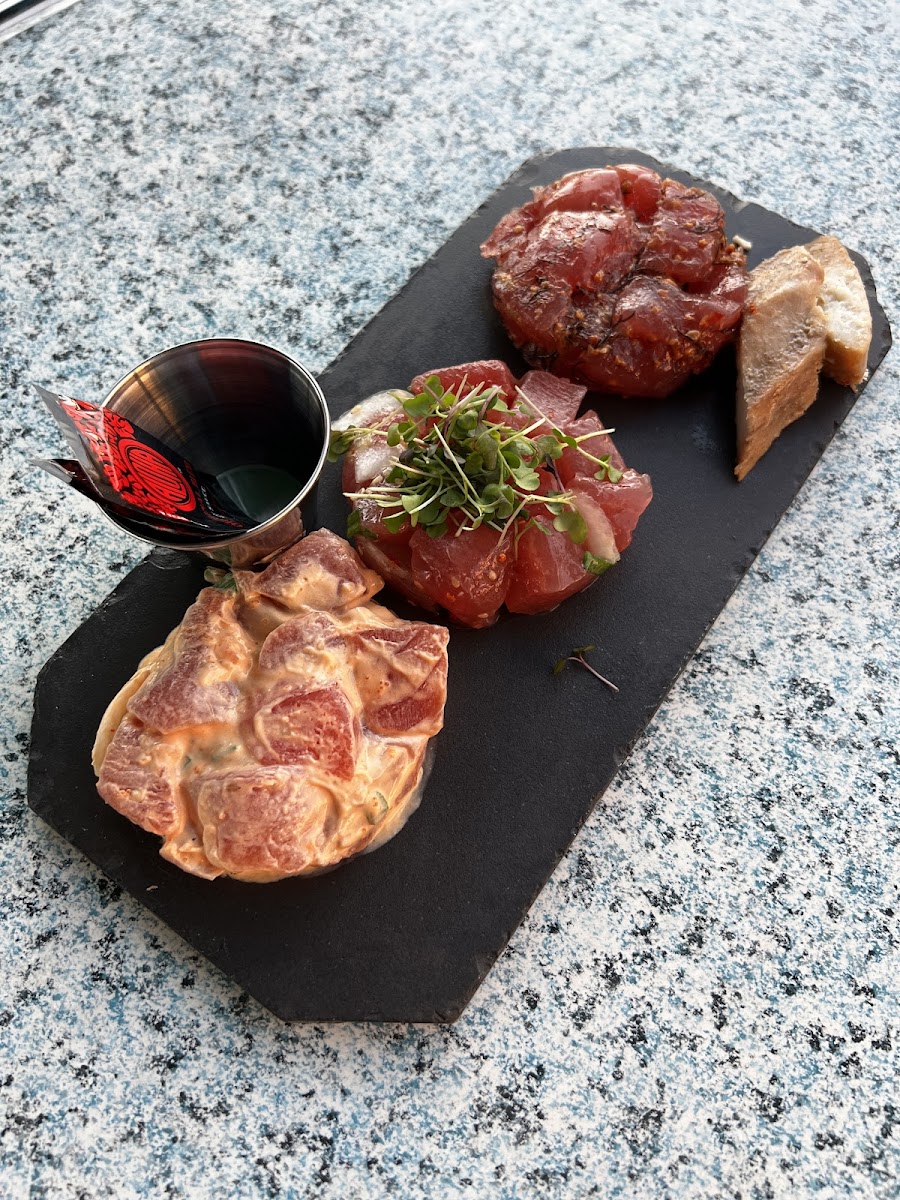
The first time I ate here was after a long morning on the water, guided by a commercial fisherman who swore this was where crews refueled. That alone told me more than any glossy brochure could. The menu leans heavily into fresh seafood, and not in a marketing sense. Fish is brought in daily, often from boats you can see docked nearby. According to NOAA fisheries data, Hawaiʻi ranks among the top U.S. states for sustainably managed pelagic fish, and this diner clearly benefits from that proximity and oversight.
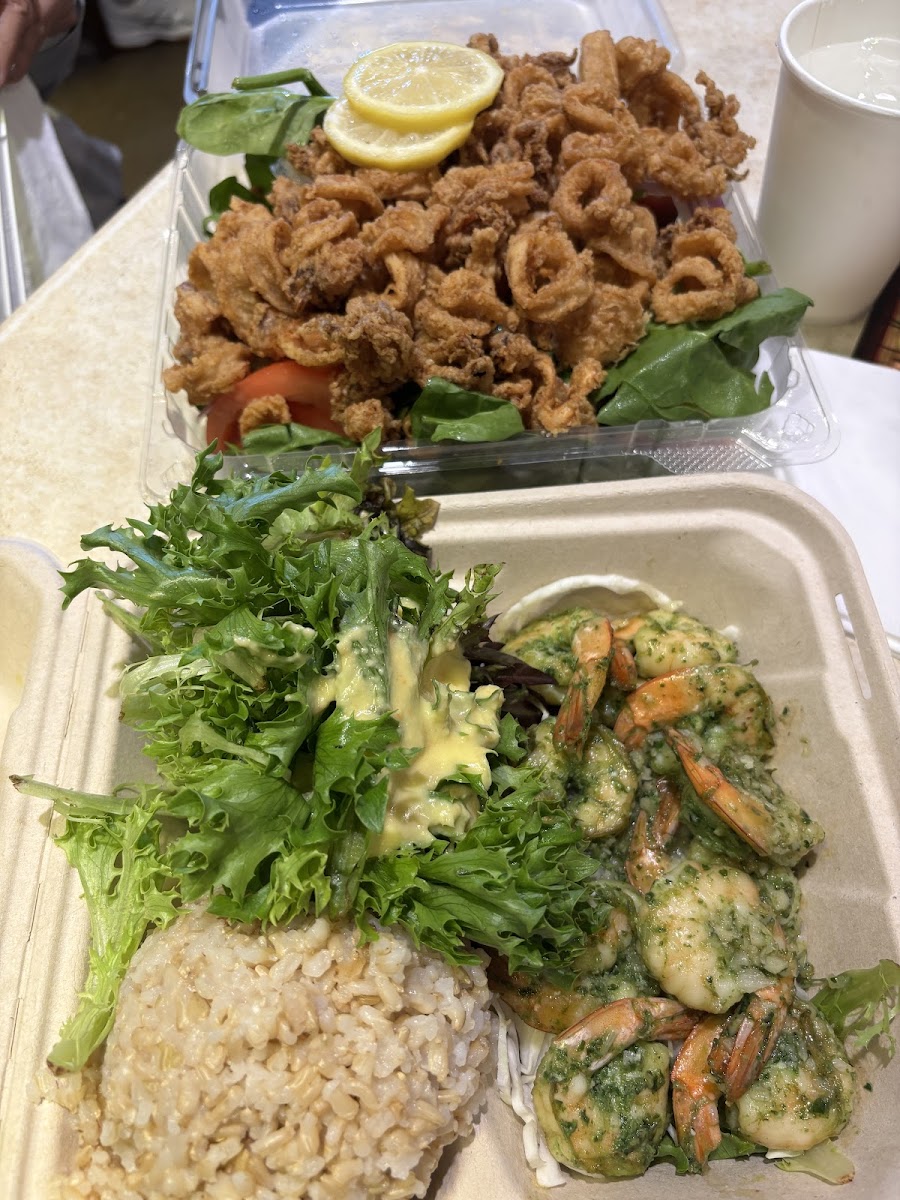
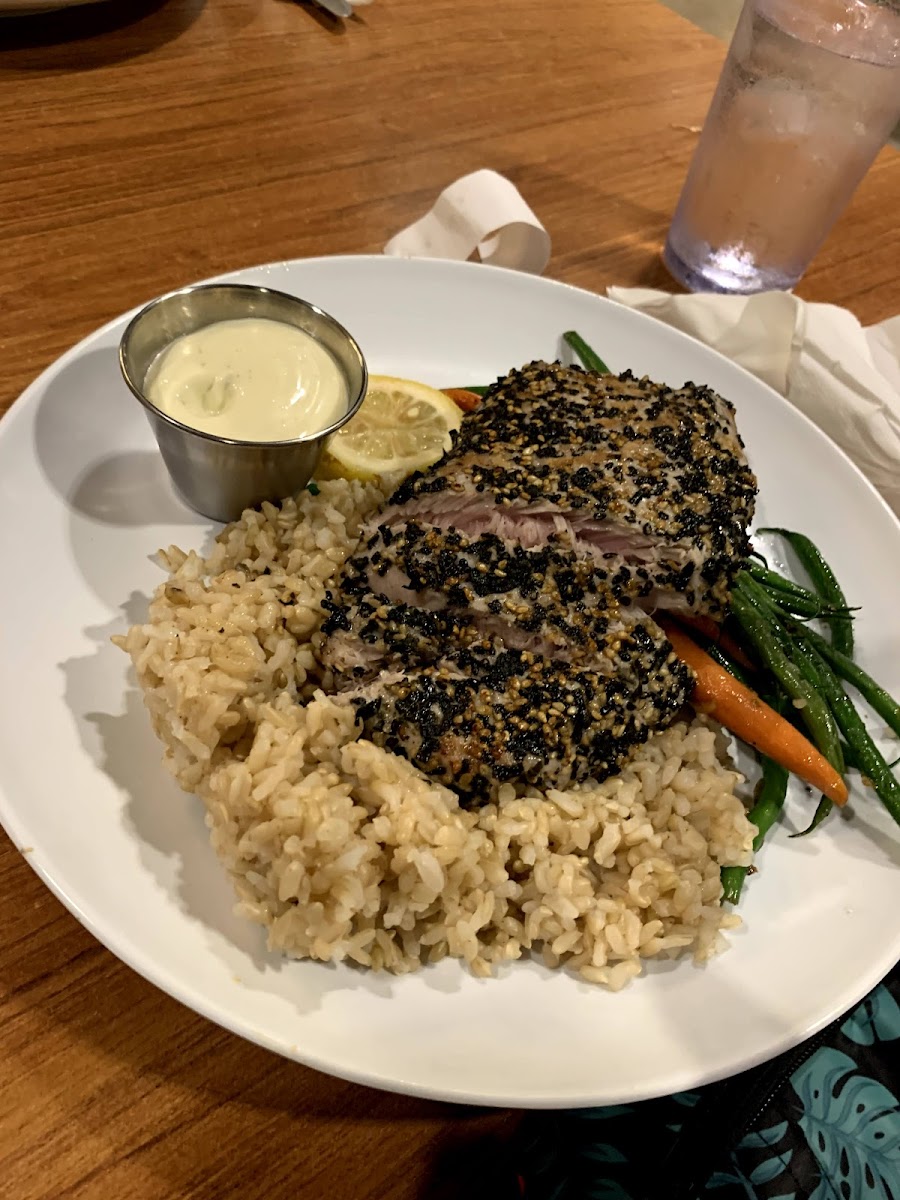
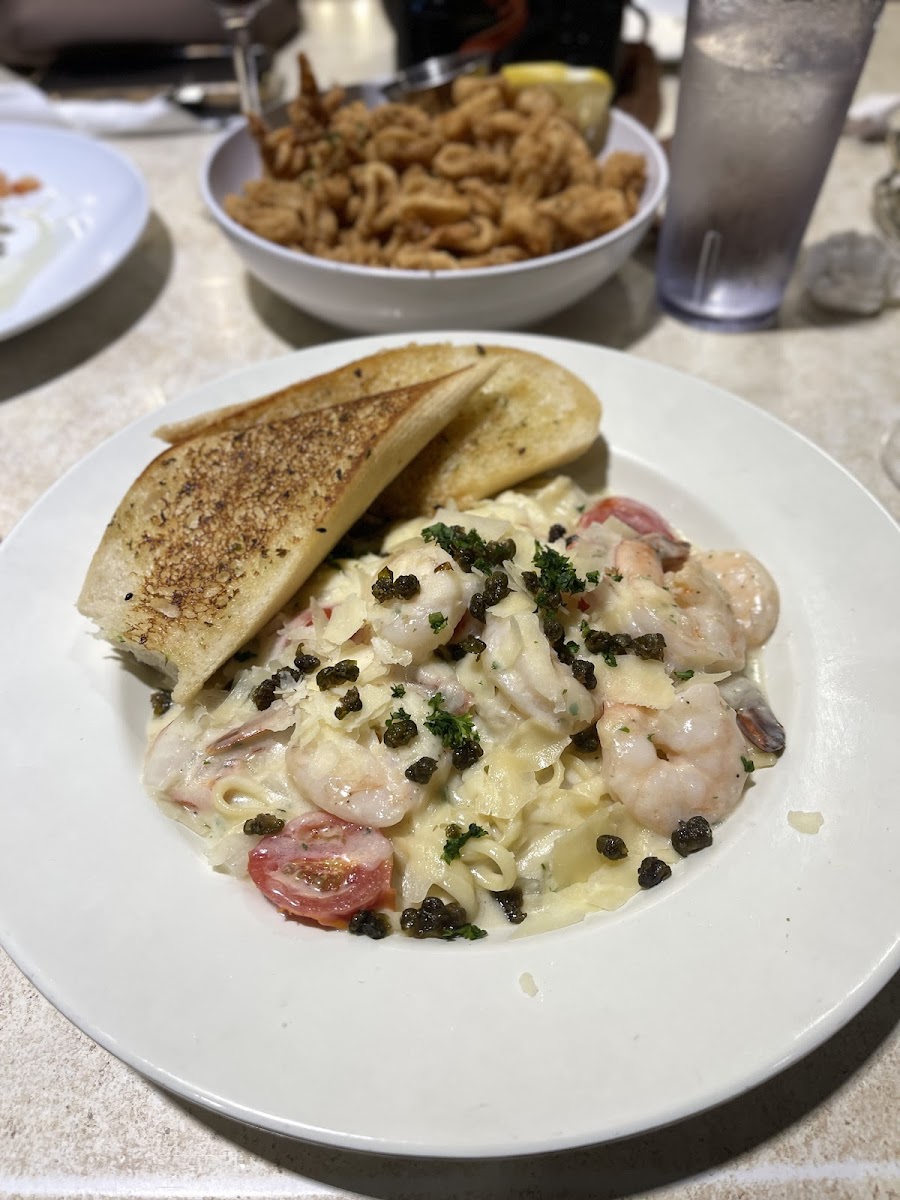
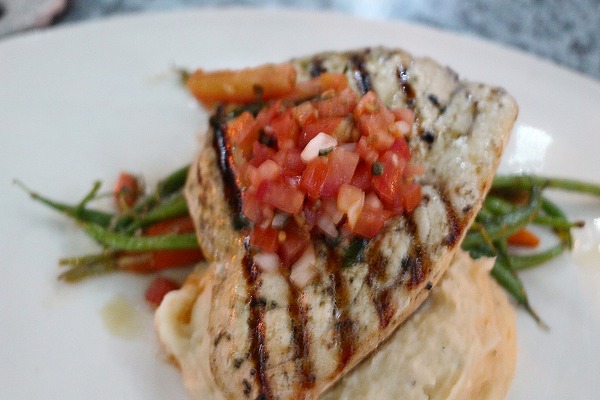
Ordering is casual but efficient. You line up, scan the menu board, and quickly realize there’s no wrong choice. The furikake ahi is a standout, seared rare and crusted with sesame and seaweed, a preparation that highlights quality rather than masking it. From a culinary perspective, this technique aligns with best practices taught by institutions like the Culinary Institute of America, where minimal handling and high heat preserve texture and flavor. The loco moco, another popular pick, balances comfort and indulgence with a rich gravy that doesn’t overpower the beef.
What really separates this spot from other seafood restaurants is consistency. I’ve visited at different times over the years, and the plates arrive the same way every time. That kind of reliability is something restaurant consultants often cite as the hardest thing to maintain in high-volume kitchens. A former manager once explained how they rely on strict prep schedules and portion controls, methods backed by National Restaurant Association research showing consistency directly impacts customer trust and repeat visits.
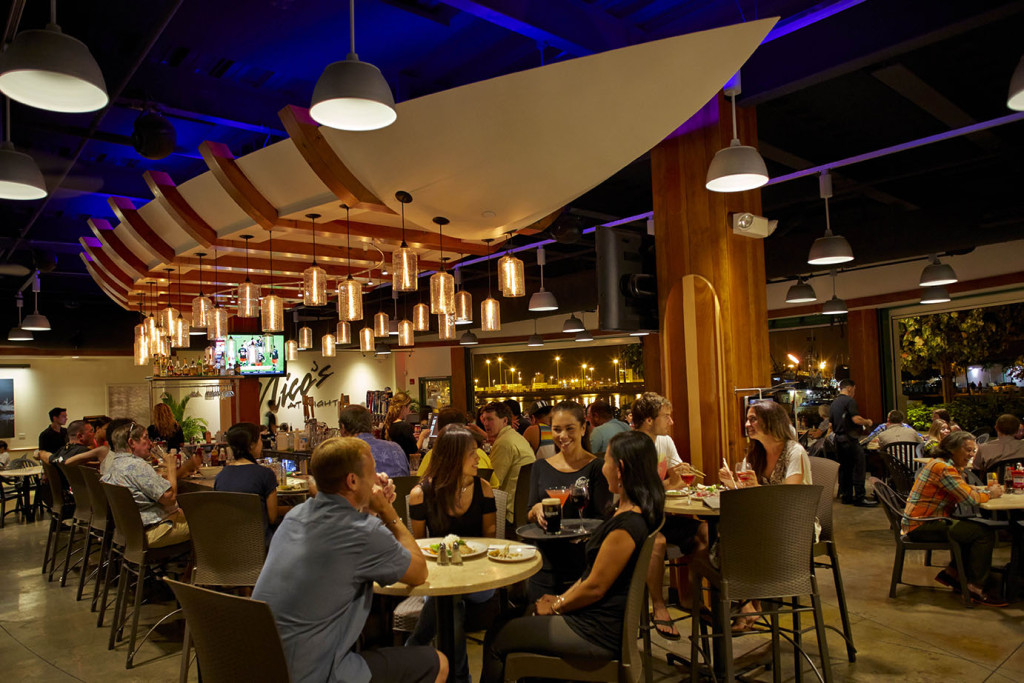
Reviews across platforms echo that sentiment. Locals praise the generous portions and fair pricing, while visitors appreciate getting an authentic experience without pretension. One recent case I witnessed involved a first-time tourist chatting with a dock worker at a shared table, both recommending sides to each other like old friends. That mix of people says a lot about the place’s role in the community.
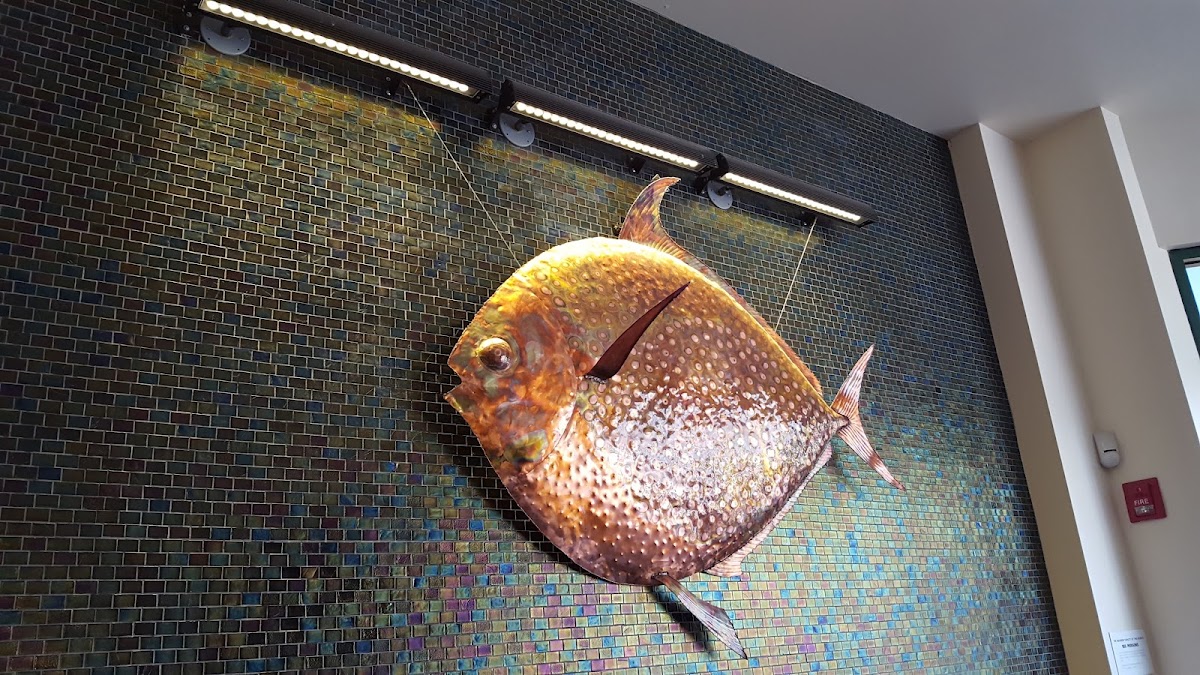
The location adds to the appeal. Being right on the pier means you’re eating in the middle of real activity, forklifts humming and boats unloading. It’s not polished, but it’s honest. For some, the lack of oceanfront glam might be a downside, but for many, including myself, it reinforces trust. You can see where your food comes from, and that transparency matters more than décor.
Of course, no restaurant is perfect. Seating can be tight during peak lunch hours, and parking occasionally tests patience. If you’re expecting white tablecloth service, this isn’t your spot. But those limitations are part of why the food remains accessible and focused. As the James Beard Foundation often emphasizes, great food culture thrives when kitchens prioritize substance over spectacle.
Over time, this diner has become a benchmark I use when judging seafood elsewhere. Freshness, clarity of flavor, and a menu that respects both tradition and local supply chains are hard to replicate. Whether you’re scanning reviews, exploring new locations, or just craving a dependable plate of island-style seafood, this is the kind of place that earns loyalty the old-fashioned way: by showing up, day after day, and getting it right.